- February 20, 2026
- 3:31 pm
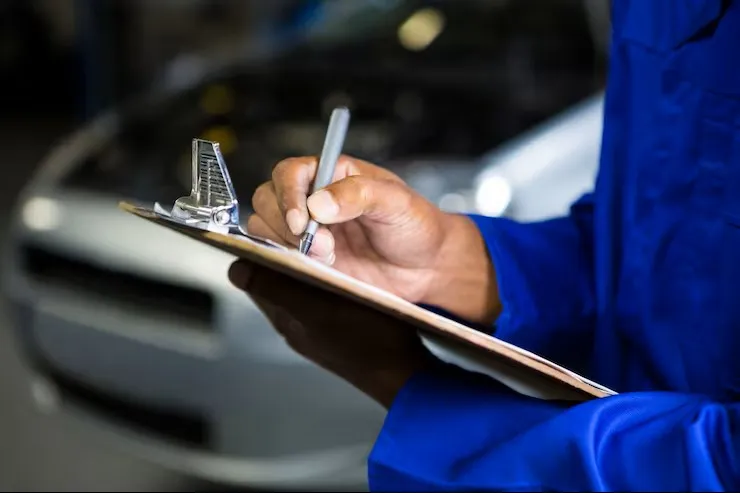
Used Car Inspection List: What to Check Before You Buy
Shopping for a used car is exciting, but we know it can also feel nerve-wracking. How do you know if the vehicle you’re looking at is a solid deal? The best way to protect yourself is to go in with a plan. That’s why we put together this used car inspection list — so you can walk the lot with confidence and spot potential problems before you sign anything.
This checklist is especially helpful for a first time car buyer, making sure you’re informed and prepared to ask the right questions and make a smart purchase.
Here at Texas Truck World in San Angelo, we inspect every vehicle before it hits our lot. But whether you’re shopping with us or anywhere else, knowing what to look for puts you in the driver’s seat.
Start with the Vehicle History
Before you even look at the car in person, we recommend pulling a vehicle history report. Having access to dealership records, manufacturer websites, or official safety databases is essential for verifying recall information and ensuring an accurate vehicle assessment. Services like Carfax and AutoCheck let you enter the VIN and check for previous accidents, the number of past owners, whether the title is clean or salvage, service records, and any outstanding recalls.
This step alone can save you from a lot of headaches. If anything looks off in the report, ask the seller about it or simply move on.
Inspect the Exterior
When you’re standing in front of the vehicle, take your time and look closely. A quick walk-around can tell you a lot about how well the car has been cared for.
Start by checking the body panels for dents, scratches, and rust. The car should be in good shape, with panels and paint free from major damage. After checking the panels, inspect each door for proper operation by opening and closing them, and check the hinges and seals for misalignment, rust, or water leaks. Pay close attention to areas under the doors and around the wheel wells, since that’s where rust tends to show up first. After inspecting the wheel wells, check the wheels themselves for any damage, rust, or signs of uneven wear. Look at the paint across every panel — if one section looks a different shade or texture, it may have been repainted after an accident. Any significant rust or mismatched paint should be a concern, as these may indicate costly repairs or poor maintenance. Check that the gaps between body panels are even, as misaligned panels are a common sign of past collision damage.
Don’t forget the glass — look for chips or cracks in the windshield and all windows. Also check all exterior lights, including headlights, tail lights, brake lights, and turn signals, verifying that all required lights are present and in working condition.
Check the Tires
Tires can tell you a surprising amount about a vehicle’s condition. Check the tread depth on all four tires using the penny test — place a penny into the tread with Lincoln’s head pointing down. If you can see the top of his head, the tread is too worn and the tires need replacing soon.
Just as important is the tread wear pattern. Uneven wear could point to alignment problems or worn suspension parts. Be sure to inspect the middle of the tire tread for signs of overinflation or abnormal wear, as excessive wear in the middle can indicate improper tire pressure or other issues affecting performance and safety. Also check whether all four tires are the same brand and size — mismatched tires can be a sign that replacements were made after damage.
Look Under the Hood
You don’t need to be a mechanic to do a basic engine inspection. Pop the hood and start with the fluids. Check the oil by pulling the dipstick — the oil should be dark brown or black. If it looks milky or has a grayish color, that could indicate a blown head gasket, which is a serious and costly repair. Look at the coolant in the reservoir. It should be green or orange, not rusty or milky. Check the brake fluid and transmission fluid levels as well.
While you’re under the hood, look at the belts and hoses. Cracked, frayed, or brittle hoses and belts are signs of wear and could mean the vehicle hasn’t been maintained on schedule. Check the battery terminals for corrosion, and look around the engine for any signs of oil leaks or fluid drips. Also, visually inspect the CV joint boots for splits or leaked grease, as these can indicate bad CV joints that may require expensive repairs.
After starting the car, observe the engine running at idle to ensure it operates smoothly and without unusual noises.
Examine the Interior
Hop inside and take a close look around. Check the seats for tears, stains, or excessive wear. Inspect the brake pedal for rubber wear, which can indicate how much the car has been driven, and test its function to ensure it operates smoothly. Test the air conditioning, heater, radio, power windows, locks, and mirrors to make sure everything works.
Pay attention to unusual smells. A musty or moldy odor could mean the vehicle has water damage — something to watch out for if the car was previously owned in a flood-prone area. Check the carpet under the floor mats for dampness or staining.
Look at the dashboard carefully. All warning lights should illuminate when you turn the key to “on” and go off within a few seconds once the engine starts. If the check engine light stays on or doesn’t light up at all during the initial key turn, that’s a red flag.
Before finishing, check the trunk for a spare tire and inspect its condition, as well as the area for any signs of water or rust.
Take It for a Test Drive
Before making the trip to the dealership or seller, ask questions about the vehicle’s condition and history to ensure it’s worth inspecting and test driving in person.
The test drive is one of the most important parts of the inspection. Turn off the radio so you can listen carefully to how the vehicle sounds and feels.
During the drive, pay attention to how the engine responds when you accelerate. It should pull smoothly without hesitation or strange noises, and both the engine and transmission should sound and feel normal, without any unexpected noises or behaviors. The transmission should shift seamlessly — any jerking or delayed shifts could mean trouble. Test the brakes at different speeds. The pedal should feel firm, and the car should stop straight with no pulling or vibration.
Drive over a few bumps if you can and listen for clunks or rattles from the suspension. Notice whether the steering feels tight and responsive or loose and vague.
Car Checklist and Documentation
When you’re shopping for a used car, having a detailed car checklist in hand is one of the smartest moves you can make—especially if you’re a first-time buyer. A thorough inspection isn’t just about looking under the hood or checking the tires; it’s about making sure you cover every aspect of the vehicle and keep track of your findings along the way.
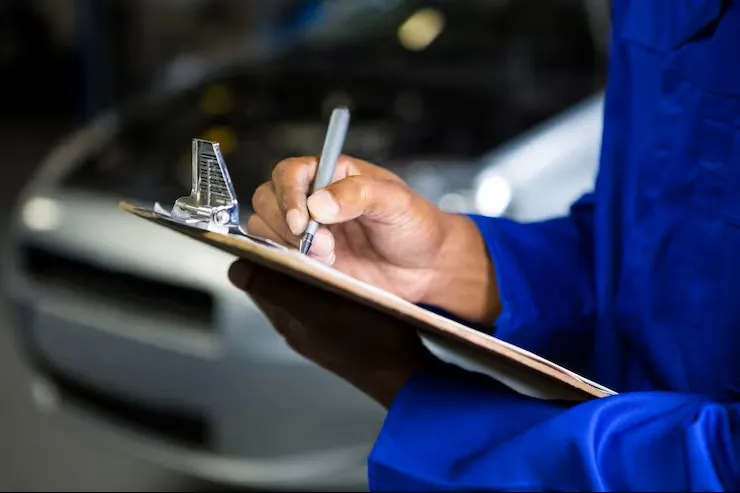
Start by bringing a printed checklist or a digital version on your phone. As you go through your inspection, note the condition of each item—this helps you remember what you’ve checked and spot any potential issues that might need attention. Your checklist should include everything from the exterior and interior condition to the operation of features like seat belts, windshield wipers, and warning lights.
Don’t forget about documentation. Ask the seller for all available service records, the title, and any receipts for recent repairs or replaced parts. Reviewing these documents can give you valuable insight into how well the car has been maintained and alert you to any red flags in its history.
By staying organized with a car checklist and gathering the right paperwork, you’ll be able to make a more informed decision and avoid surprises down the road. Whether you’re buying your first used car or your fifth, this process gives you the confidence to move forward with your purchase.
Get a Professional Pre-Purchase Inspection
Even if the used vehicle passes your personal checklist, we always recommend getting a professional pre-purchase inspection from a trusted mechanic. A trained technician can put the vehicle on a lift and check things you can’t see from the ground — like the undercarriage, exhaust system, and suspension components. It usually costs between $100 and $200, and it’s one of the smartest investments you can make before buying.
Shop with Confidence at Texas Truck World
At Texas Truck World in San Angelo, we take the guesswork out of used car shopping. Every vehicle on our lot goes through a thorough inspection before we offer it for sale, because we want our customers to feel confident about their purchase from the moment they drive off the lot. As a dealership, we are committed to providing transparent pricing, complete vehicle history, and service records, so you can evaluate both the vehicle and the dealer’s reputation with confidence.
Understanding the current used car market is essential, as trends in price and sales can impact your buying decision. Our team is here to help you compare prices, review market data, and ensure you get the best value. The dealership will also assist with all paperwork and the selling process, making sure every document is handled properly for a smooth transaction.
Before finalizing your purchase, be sure to fill out a used car inspection checklist or form to ensure you’ve covered all important details.
If you’re ready to find a reliable used truck, car, or SUV, come see us at 1801 N Bryant Blvd or browse our inventory online. We’re here to help you find a vehicle you can count on.